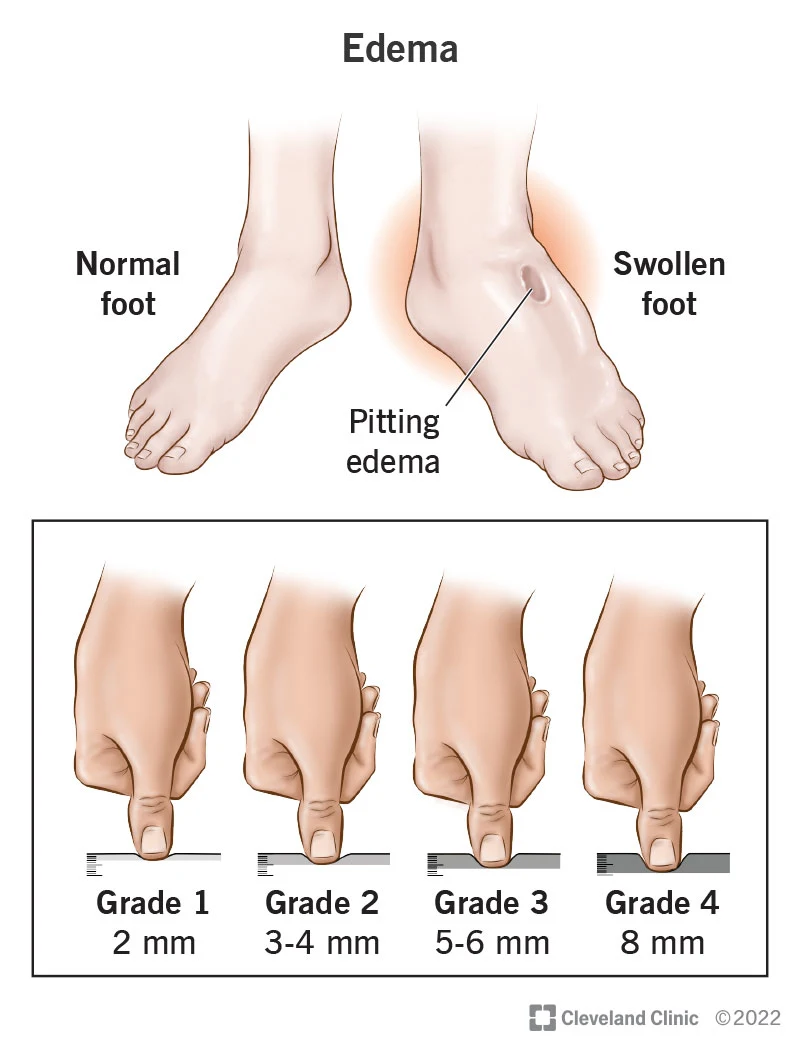
**Common Causes of Swelling in the Feet, Legs, and Ankles and Their Treatments**: Swelling in the ankles, feet, and legs, known as edema, often occurs due to a buildup of fluid in these areas. Several factors can contribute to this swelling, and in most cases, it results from specific lifestyle choices. Here are some potential reasons for this swelling: |
Extended periods of sitting or standing: Staying in one position for extended periods, whether sitting or standing, can lead to muscle inactivity, which affects the return of fluid to the heart. This may cause leg swelling, known as edema, particularly for individuals who stand for extended periods. Typically, this swelling isn't a health concern and will subside with rest. **Treatment:** To alleviate swelling, try sitting for five minutes every hour while standing. Elevating your legs can help prevent blood from accumulating in the veins of your legs. If the swelling persists or you are unable to take breaks from standing or walking, consider wearing compression stockings, as they may provide relief.
|
**Understanding Overweight and Obesity**: Excess body weight can impair blood circulation, leading to fluid accumulation in the feet, legs, and ankles. The Body Mass Index (BMI) is a standard assessment tool; however, it has limitations, as it doesn't consider body composition, ethnicity, sex, or age. Despite its flaws, the BMI is widely used due to its simplicity and cost-effectiveness. Obesity is defined as excessive body fat, with a BMI over 30 classifying a person as obese. A BMI over 50 can lead to swelling in the lower extremities, and weight loss alone may not alleviate this condition. It's essential to consult a healthcare provider about treatment options for foot swelling before reaching a BMI of 50. **Treatment Options** : Weight loss can help reduce swelling and decrease the risk of severe conditions, such as diabetes and heart disease. Regular exercise and a balanced diet rich in fruits, lean proteins, low-fat dairy products, vegetables, and whole grains are essential. If obesity has persisted for over five years and weight loss efforts are unsuccessful, your healthcare provider might recommend surgical options. |
**Side Effects of Medications**: Certain medications can cause swelling in the feet and ankles due to water retention. Medications that may contribute to this include:
- Hormonal medications (like contraceptive pills and estrogen) - Antidepressants - Blood pressure medications (such as calcium channel blockers) - Steroids - Nonsteroidal anti-inflammatory drugs (NSAIDs)
If you suspect your medication is causing swelling, consult your doctor. They may recommend dosage adjustments, alternative drugs, or diuretics to help reduce the swelling. Always talk to your doctor before stopping any medication. **Treatment**: If you are considering taking medications that may cause swelling, consult a healthcare provider before doing so. They can adjust your dosage or recommend an alternative medication. Additionally, you may find relief by reducing your sodium intake, elevating your legs, staying active, and wearing compression stockings.
|
As a result of natural hormonal changes: Fluctuating estrogen and progesterone levels can reduce leg circulation, leading to swelling. These hormonal changes may occur during pregnancy and a woman's menstrual cycle. |
**Blood Clots and Deep Vein Thrombosis (DVT)**: A blood clot, or thrombosis, can form in the veins of the arms or legs. Deep vein thrombosis (DVT) is a serious condition requiring immediate medical attention. DVT blocks blood flow back to the heart, causing swelling (edema) in the affected limb. If not managed, it can lead to post-thrombotic syndrome.
Blood clots occur when blood flow is impaired, causing platelets to clump together. Signs of DVT include: - Swelling in one leg (rarely both) - Pain or discomfort in the leg - Low-grade fever - Color changes in the leg
Prolonged sitting can increase the risk of developing a blood clot, with certain factors heightening this risk, such as a history of blood clots, birth control use, cancer, heart disease, high blood pressure, kidney issues, pregnancy, and smoking.
**Treatment:** If you notice any signs of DVT, seek urgent medical attention. A doctor may prescribe blood-thinning medications to treat blood clots. Wearing tights, compression stockings, or loose-fitting clothing around the ankles can help prevent blood clots. Additional prevention methods include staying active and reducing salt intake. It is also essential to avoid remaining still, especially with crossed legs, for extended periods. A blood clot may not always present with obvious symptoms, but you might experience pain in your leg. If a clot breaks loose and travels to the lungs, it can block the oxygen supply and be fatal if left untreated. If caught early, healthcare providers can effectively treat blood clots, potentially using blood thinners or thrombolytics to dissolve the clots. In some cases, surgery may be required to manage blood clots. |
**Foot or Ankle Injury**: Trauma to the foot or ankle can cause swelling, particularly with injuries like sprained ankles, where overstretched ligaments lead to inflammation. If swelling and pain persist, seeing a doctor is advised to rule out severe damage. Ankle sprains are a common occurrence, accounting for approximately 40% of sports injuries.
The American Academy of Orthopaedic Surgeons suggests these home treatments for a sprained ankle: - Rest the injured area. - Apply ice wrapped in a thin cloth. - Use a compression wrap or bandage. - Elevate the foot above heart level. - Take NSAIDs like ibuprofen for pain and swelling. - Wear a walking boot or brace for support.
Injuries to the foot or ankle often lead to increased blood flow and swelling as part of the body's inflammatory response. **Treatment**: To treat a foot or ankle injury, elevate the affected foot and avoid putting weight on it. Use an ice pack or compression bandage to reduce swelling, and take over-the-counter pain relievers for discomfort.
Employ the RICE method to relieve pain and inflammation: - **Rest:** Limit activities for one or two days, avoiding weight on the injured limb. - **Ice:** Apply an ice pack for 20 minutes, four to eight times daily, using a cloth barrier to protect the skin. - **Compression:** Use an elastic bandage for pressure, but not too tightly to avoid cutting off circulation. - **Elevation:** Keep the injured area elevated on a pillow above heart level.
Avoid heat immediately after the injury, as it can worsen inflammation. Consult a healthcare provider if symptoms persist or worsen.
|
**Infection**: Infections can cause swelling in the feet and ankles, particularly in individuals with diabetes. Because they are more vulnerable to foot infections, they must monitor any changes, like blisters or sores.
When an infection affects the foot, leg, or ankle, it increases blood flow to the area, leading to swelling. Cellulitis, a bacterial skin infection, can result in painful swelling and redness.
Diabetes heightens the risk of skin infections due to complications such as impaired circulation and peripheral neuropathy, which can reduce sensation and hinder the healing of cuts or sores. **Treatment**: Doctors typically prescribe antibiotics to treat infections. A blood infection can be serious and require emergency treatment to prevent more severe complications. Untreated wounds can become infected, leading to swelling in the feet and ankles. Individuals with diabetes must have annual foot exams to help prevent infections. Always clean and properly bandage any open sores or cuts. Antibiotics are effective in treating bacterial infections, while antifungal medications are used to treat fungal infections. |
**Chronic Venous Insufficiency (CVI)**: Chronic venous insufficiency (CVI) is a common cause of leg swelling (edema) due to malfunctioning valves in the leg veins, which can also affect other areas. This condition can be painful and lead to changes in the skin, as blood pools in the lower legs and ankles instead of returning to the heart. CVI typically results from damaged valves that allow blood to leak back, causing fluid retention.
**Signs of Venous Insufficiency Include:** Achy legs Skin changes New varicose veins Skin ulcers Infections
**Treatment:** If you are experiencing signs of venous insufficiency, scheduling an appointment with your doctor as soon as possible is essential. To treat venous insufficiency, your doctor may recommend lifestyle changes, such as regular exercise, to help improve blood circulation. Compression stockings and medications to prevent blood clots can also be beneficial. Sometimes, your doctor may suggest surgery to repair the damaged valves.
|
**Cellulitis:** Cellulitis is a bacterial infection that affects the skin. And underlying tissues. Individuals with diabetes are especially vulnerable to this type of infection. Cellulitis symptoms include inflammation characterized by redness, warmth of the skin, and swelling that can spread quickly. In rare instances, cellulitis can become life-threatening if not treated promptly. |
Pericarditis: Pericarditis is a chronic inflammation of the pericardium, the sac-like membrane that surrounds the heart. It can cause breathing difficulties and significant swelling in the legs and ankles. |
**Lymphedema**: The lymphatic system plays a crucial role in removing unwanted substances, such as bacteria and toxins, from the body. Lymphedema occurs when lymphatic fluid accumulates in tissues due to damage or absence of lymph vessels, resulting in swelling, infections, and slow wound healing. Those who have undergone radiation therapy or had lymph nodes removed are more at risk.
Signs of lymphedema include:
This condition affects the soft tissues of the arms and legs, resulting from blockages in the lymphatic system, which transports fluid and contains white blood cells essential for fighting infections. Lymphedema can arise from infections, cancer, surgical removal of lymph nodes, or hereditary conditions. Sometimes, the cause may be unknown, known as idiopathic lymphedema. **Treatment**: If you suspect lymphedema is causing your swelling, consult a healthcare provider. Compression stockings, staying active, exercises, targeted massage, and bandages or compression garments may help manage symptoms.
|
**Premenstrual Syndrome (PMS)**: In the week leading up to your period, you may experience bloating. This sensation is typically caused by sodium and water retention after ovulation when one of your ovaries releases an egg. Premenstrual syndrome (PMS) symptoms usually begin in the time after ovulation and before your period starts. Swollen feet and ankles can also be common PMS symptoms. One study found that 65% of women reported experiencing swelling in the days leading up to their period.
**Treatment**: There are several ways to manage PMS symptoms effectively: Limit or avoid alcohol, caffeine, salt, and sugar. Maintain a balanced diet. Ensure you get plenty of rest. Stay physically active. Use over-the-counter medications like Advil (ibuprofen) or Tylenol (acetaminophen) to relieve headaches and pain in the abdomen, back, or breasts. Consult a healthcare provider about prescription options, such as hormonal birth control or dietary supplements.
|
**Pregnancy and Preeclampsia**: One common symptom of late pregnancy is swelling in the feet and ankles due to fluid retention and increased pressure on the veins. However, sudden and severe swelling may indicate preeclampsia, a serious condition that can develop during pregnancy or shortly after childbirth.
Preeclampsia typically arises in the latter half of pregnancy and can progress to eclampsia, requiring immediate medical attention. Symptoms may include:
Protein in urine. High blood pressure. Severe swelling. Headaches. Dizziness. Nausea and vomiting. Vision changes. Less frequent urination. Seizures.
While mild swelling is common and usually harmless, sudden swelling in the hands and face may signal preeclampsia, which poses risks to both the mother and fetus.
**Home Remedies and Treatment:** If a pregnant individual experiences symptoms of preeclampsia, it's essential to seek medical attention immediately. To manage swollen feet during pregnancy, consider these tips:
Elevate your feet regularly. Wear comfortable, supportive shoes. Avoid prolonged standing. Stay cool, reduce salt intake, and drink 8-10 glasses of water daily.
Supportive clothing, like compression stockings, can help alleviate discomfort. Rapid swelling, especially in the hands and face, may indicate preeclampsia and requires contacting a healthcare provider.
|
**Cirrhosis:** Cirrhosis is a progressive condition characterized by extensive scarring of the liver, which often results from prolonged alcohol abuse or chronic infections such as hepatitis B or C. This debilitating disease disrupts the liver's standard structure and function, leading to a host of complications. One significant consequence is the development of portal hypertension, a condition where blood pressure in the liver's blood vessels rises. This can adversely affect circulation in the lower extremities, resulting in poor blood flow to the feet, legs, and ankles. As a result, individuals may experience swelling, discomfort, and other circulatory issues that can severely impact their quality of life. |
**Eating Too Much Salty Food:** Sodium, a component of salt (sodium chloride), is one of the primary causes of fluid retention in the diet. The American Heart Association (AHA) recommends that adults limit their sodium intake to at least 2,300 milligrams per day, about one teaspoon. **Treatment:** To reduce fluid retention, limit your consumption of high-sodium foods and opt for sodium-free or low-sodium alternatives instead. You can monitor the sodium content of foods by checking the nutrition facts labels. Sodium can be found in many processed and take-out foods, including: |
**Heart Diseases or Heart Failure**: Swelling in the feet can indicate heart disease or heart failure. When the heart is damaged, it struggles to pump blood efficiently, resulting in fluid retention, particularly in the legs and ankles.
Common symptoms of heart failure include: - Shortness of breath - Rapid heartbeat - Weakness and fatigue - Coughing or wheezing - Abdominal swelling - Rapid weight gain from fluid retention - Nausea or loss of appetite
In congestive heart failure, reduced blood flow can cause blood to pool in the veins, resulting in edema. This condition also affects the kidneys, contributing to swelling and symptoms such as abdominal pain and swelling in other areas.
**Treatment**: If you experience symptoms of heart failure, seek medical attention immediately to prevent complications like breathing problems. Treatment may involve medications, medical devices, or surgery. Don't hesitate to get help.
|
**Chronic Kidney Disease and Kidney Failure**: Individuals with poorly functioning kidneys may struggle to eliminate excess fluid, leading to fluid buildup and potentially kidney failure. Symptoms of kidney failure include: Less frequent urination. Shortness of breath. Drowsiness or fatigue. Chest pain or pressure Seizures. Nausea. Confusion. Coma.
Chronic kidney disease (CKD) involves permanent kidney damage that often has no symptoms until it reaches end-stage renal disease (ESRD), where kidneys have difficulty removing waste and excess fluid, causing swelling, particularly in the ankles. The kidneys are essential for maintaining fluid balance, and when they fail, fluid retention can occur, resulting in severe swelling.
**Treatment Options**: Medications can help manage kidney issues, often using diuretics to remove excess fluid and reduce swelling in the feet and ankles. Treatment options for kidney failure include: Medication. Low-protein diet. Dialysis. Kidney transplant.
|
### Alcohol and Alcohol-Related Liver Disease: Liver disease can reduce albumin production, resulting in fluid accumulation and swelling in the legs and feet. **Symptoms include:** - Jaundice (yellowing skin and eyes). - Dark urine. - Easy bruising. - Loss of appetite. - Severe itching. - Fatigue. - Nausea or vomiting. - Tender, swollen abdomen. - Pale or bloody stools. Alcohol can contribute to water retention and swelling, potentially signaling advanced liver disease. Persistent swelling warrants a visit to a doctor. A healthy liver produces albumin to prevent fluid leakage; low levels can result in edema. Cirrhosis causes permanent scarring and disrupts blood flow, leading to portal hypertension and swelling, along with other signs like bruising, bloating, fatigue, weight loss, and jaundice. ### Treatment: The primary treatment for alcohol-related liver disease is to stop drinking. Some medications can help manage symptoms, and severe cases may require a liver transplant. Healthcare providers can also address underlying conditions causing cirrhosis, which may involve medication, weight loss, and abstaining from alcohol. Diuretics and reducing salt intake can also alleviate swelling in the feet and ankles.
|
**Hypothyroidism:** Hypothyroidism can impact a person's muscles and joints, leading to aches, pains, stiffness, and swelling. In individuals with Hypothyroidism, the thyroid gland produces insufficient hormones. One study suggests a potential link between thyroid disorders and rheumatoid arthritis, which can also cause painful swelling in the joints. |
**Diabetes:** Diabetes makes it difficult to manage blood sugar levels. High blood sugar can damage the blood vessels throughout the body, leading to poor circulation and swelling (edema) in the lower extremities. If left unmanaged, edema caused by diabetes can eventually lead to nerve damage. |
Bursitis: It is the inflammation of bursae, fluid-filled sacs that cushion joints. This condition is common among athletes, older adults, and individuals whose occupations require frequent repetitive movements. The most commonly affected areas of the leg are the knee and ankle. |
**Arthritis, Gout, and Rheumatoid Arthritis:** Arthritis can cause inflammation, leading to swelling in the ankles. Several types of arthritis can result in this condition, including: **Gout** is a specific form of arthritis that often causes swelling in joints near the extremities, such as the ankles. It occurs when uric acid builds up in the body, forming crystals in the joints or surrounding tissues. This buildup results in inflammation. Rheumatoid Arthritis (RA) is an autoimmune disorder that causes fluid to accumulate in the joints' linings, leading to swelling and potentially lasting damage. The ankles are a common area of inflammation for individuals with RA. |
**Hot Weather and Swelling Feet**: In hot weather, it is common for feet to swell as the veins expand to help cool the body. This process can cause fluid to leak into the surrounding tissues, leading to swelling in the ankles and feet. **Home Remedies**: To prevent foot swelling in warm weather, it's essential to drink plenty of water and wear well-fitting, comfortable shoes with good ventilation. Compression stockings can also be beneficial.
|




.png)

Comments
Post a Comment
Thank you, most welcome, 👍