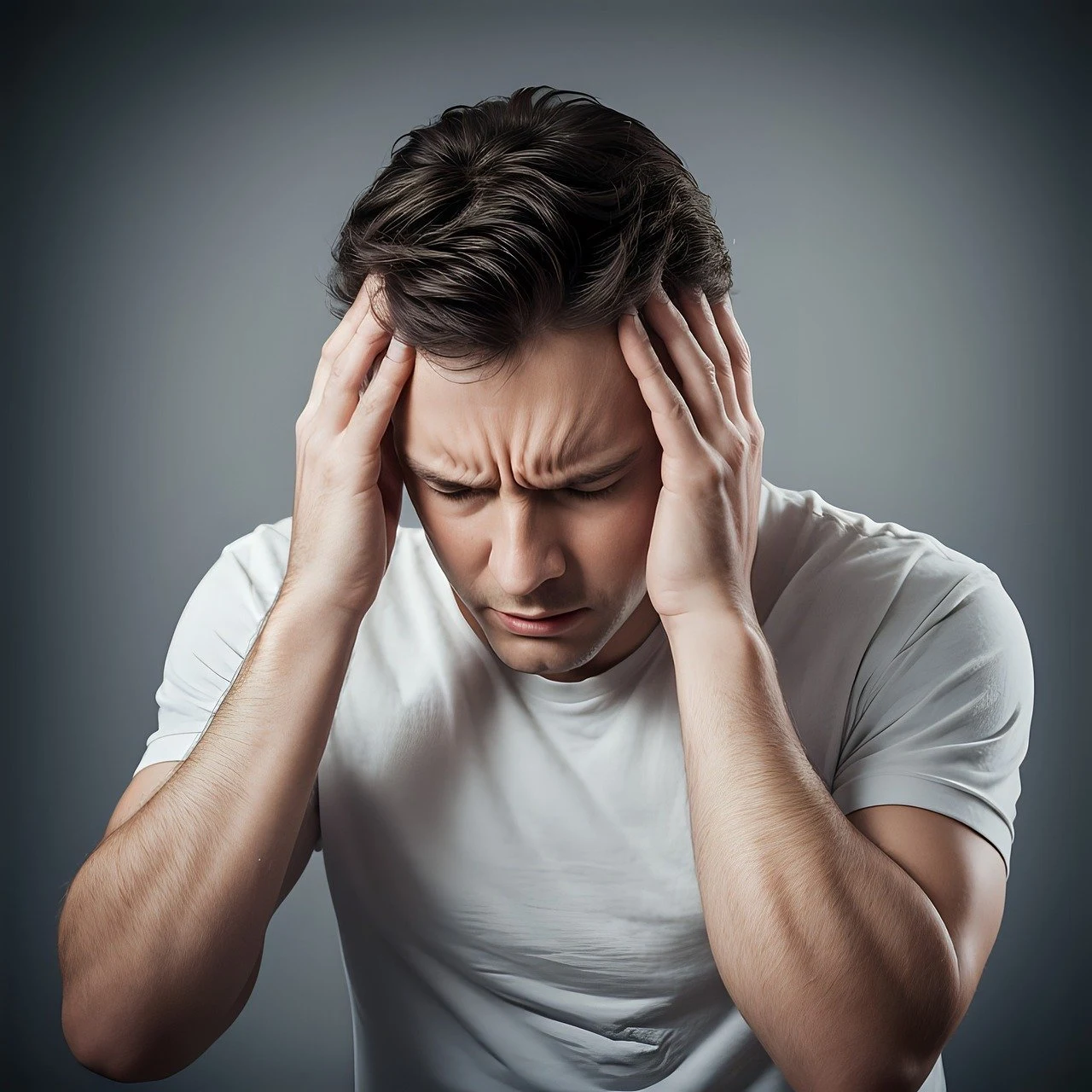
What are the symptoms of a migraine attack? The most common symptoms of a migraine attack include: Throbbing headache Sensitivity to light, noise, and smell Nausea (feeling sick) Vomiting (being sick) Lethargy (lack of energy).
Other common features of migraine are: Head pain that worsens during physical activity or straining An inability to perform regular activities due to the pain Increased sensitivity to light and sound can sometimes be relieved by lying quietly in a darkened room. Sweating, Feeling unusually hot or cold, Stomachache, Diarrhea.
The symptoms of migraine are different from person to person but often include headaches that keep coming back.
Individual migraines are moderate to severe in intensity, often characterized by a throbbing or pounding feeling (pain) that usually happens on one side of the head. However, they may occur anywhere on the head, neck, and face , or all over.
These symptoms can happen all at once during a migraine attack, or they can happen separately in between migraine attacks. Migraine attacks may last from hours to days and make it hard to do everyday activities.
Nausea is one of the most common symptoms and it worsens with activity, which often results in patient disability. In many respects, migraines are much like alcohol-related hangovers. In between attacks, people living with migraine may also experience symptoms like having a hard time concentrating, depression, anxiety, difficulty sleeping, and/or body chills. They can also include vomiting, changes in mood, and extreme tiredness. At their worst, they are typically associated with sensitivity to light, noise, and/or smells.
The symptoms of a migraine attack come in four phases. The most notable is a headache attack. It can take about eight to 72 hours to go through the four stages.
Migraine symptoms vary based on the stage. Every migraine is different, and you won’t necessarily experience symptoms during all four stages of every migraine.
You might get one, all, or a combination of these stages, and the combination of stages may vary from attack to attack. Each stage can vary in how long and how bad it is.
Migraine attacks in children are often much shorter than in adults. It may be easier to tell the different headache stages in a child. Clues to watch for in children who are not able to describe their symptoms include sensitivity to light and noise. For example, they may refuse to watch television or use the computer—or they may stop playing to lie down in a dark room.
Migraine pain can be felt in the face, where it may be mistaken for a sinus headache — or in the neck, where it may be mistaken for arthritis or muscle spasms. Complicating the diagnosis of migraine is that the headaches may be accompanied by other "sinus-like" symptoms, including watering eyes, nasal congestion, and a sense of facial pressure. Most patients who think they have sinus headaches have migraines.
In up to 25 percent of patients, the migraine headache pain may be preceded by an aura, a temporary neurological syndrome that slowly progresses and then typically resolves just as the pain begins. While the most common type of migraine aura involves visual disturbances (flashing lights, zigzags, blind spots), many people experience numbness, confusion, trouble speaking, vertigo (spinning dizziness), and other strokelike neurological symptoms. Some patients may experience auras without headaches.
The four phases of migraine are listed below:
1. Prodrome (Premonitory stage or first phase): This is sometimes described as the warning stage in which certain physical, mental, and emotional changes occur. It occurs up to 24 hours before a headache attack. The symptoms of this stage can include: Tiredness, Craving for certain types of food, Mood changes [depression, Europhobia, and irritability (high or low)], Dizziness, Neck stiffness, Sensitivity to light and sound,
Excessive yawning, Feeling thirsty, Passing more and more frequent urine (wee), Difficulty concentrating, Trouble sleeping, Fatigue, Nausea.
These feelings can last up to 24 hours.
2. Aura (second phase or second stage): Aura is the result of a wave of nerve activity that spreads over the brain (known as cortical spreading depression). As this electrical wave spreads, the nerves fire in an abnormal way and this range of reversible neurological symptoms (aura) develop.
It occurs due to a spontaneous, slow-moving wave that passes over the surface of the brain temporarily affecting the functioning of the parts it travels over. Associated symptoms depend upon which parts of the brain are affected.
It includes physical, sensory, and motor, symptoms like speech problems and flashing lights in the field of vision.
Aura is a disturbance of the senses in the early stages of a migraine episode.
These symptoms are considered a warning sign that a migraine is coming. Some of these symptoms are much less common with migraine headaches.
This stage can last from five to 60 minutes and usually happens before the headache.
An aura often occurs 10 to 15 minutes before the headache but can occur just a few minutes to 24 hours before. You might experience both the aura and the headache at the same time. In adults, they usually happen before the headache itself, but in children, they may happen at the same time as the headache.
It is possible to have the aura symptoms without the headache, this is often referred to as a ‘silent migraine’.
A visual aura may feel like the aftermath of a very bright camera flash, but the visual changes may last for several minutes or up to 1 hour.
Around 1/3 of migraine patients go through this stage (not necessarily every time). Migraine without aura does not include this stage.
Anyone experiencing an aura for the first time should contact a healthcare professional to rule out serious neurological problems, such as a stroke or a brain tumor. Your healthcare provider will likely order tests to find the cause.
Symptoms during Aura: The aura of migraine includes a wide range of neurological symptoms.
Most often, the vision is affected and can include any or all of the following symptoms: Temporary blind spots, blank patches, or colored spots in the field of vision, Blurred vision, Eye pain, Seeing stars, zigzag lines, or flashing lights, Tunnel vision (only able to see objects close to the center of the field of view), Seeing strange, sparkling, or flashing lights that are not there, Seeing things that are not there out of one eye, such as transparent strings of objects, Not being able to see part of something clearly, Having part of the field of vision disappear, then reappear.
The following symptoms can also be experienced during Aura: Yawning, nausea, trouble finding the right words, Numbness, and tingling, having a pins and needles sensation in an arm or leg, Having difficulty speaking. Having weakness in the shoulders, neck, or limbs. Muscle weakness
Dizziness or vertigo (sensation of spinning and poor balance) Hearing changes, Ringing in ears (tinnitus). Sensitivity to touch (feeling like someone is touching you). Some people experience memory changes, confusing thoughts or experiences, difficulty concentrating, feelings of fear, and more rarely, partial paralysis or fainting.
3. Headache attack (main attack stage or third stage or third phase): It starts as a dull ache and gets worse within minutes to hours It is throbbing, pounding, or pulsating? It is made worse by moving, light, and sound. It is worse on one side of the head (especially at the start of the attack) with pain behind the eye or in the back of the head and neck. However, it may be on both sides or all over the head. It lasts 4 to 72 hours.
Other symptoms that may occur with the headache include: Chills, Increased urination, Neck pain, Dizziness, Nasal congestion, Fatigue, Loss of appetite, Nausea (sickness) and vomiting (being sick), Sensitivity to light, smell, sound, and movement, Sweating.
Painkillers work best when taken early in this stage.
Resolution: There may be a stage between the headache attack and the postdrome stage which is called Resolution. Most attacks slowly fade away, but some stop suddenly after the person with migraine is sick, or cries a lot. Sleep seems to help many people, even an hour or two can be enough to end an attack. Many children find that sleeping for just a few minutes can stop their attack.
4. Postdrome (fourth phase or fourth stage or recovery stage): This is the final stage of an attack, and it can take hours or days for a drained, headache, tiredness, irritability, fatigue, or ‘hangover’ type of feeling to disappear. Symptoms may linger, even after the migraine goes away.
Symptoms feel similar to an alcohol-induced hangover, which is why the postdrome phase is known as a migraine hangover.
Symptoms can often mirror symptoms of the first stage ( Predroma or pre-monitoring stage). For example: If the person loses the appetite at the beginning of the attack, might be very hungry now. If you were tired, you might feel full of energy.
Symptoms of postdrome can include: |
What causes a migraine? A migraine episode is different from a typical headache. The experience is different, and they can have different causes. A migraine headache is caused by abnormal brain activity. This activity can be triggered by many things. But the exact chain of events remains unclear. Most medical experts believe the attack begins in the brain and involves nerve pathways and chemicals. The changes affect blood flow in the brain and surrounding tissues.
The exact cause of migraine is not fully understood. However, there are certain factors that experts believe may contribute to the development of the condition. Genetic features may also play a role — having a family history of migraine is a common risk factor.
When you have a headache, specific nerves in your blood vessels send pain signals to your brain. This releases inflammatory substances into your head’s nerves and blood vessels. It’s unclear why your nerves do that.
Current research shows that this head pain happens when there is abnormal activity among nerve signals, chemical signals, and blood vessels in the brain.
What triggers a migraine? A trigger is something that causes symptoms to start. Several factors can trigger a migraine attack or increase a person’s risk of having one. These factors vary from person to person. Some of the triggers are listed below:
Emotional triggers: Stress that causes changes in mental health and well-being, Depression, Anxiety, Excitement.d certain medications a triggering factor, such as:
Various environmental factors can potentially trigger migraine such as: Flickering screens, Strong smells, Odors, or perfumes, Loud or sudden noise, bright or flashing lights. Smoking or exposure to smoke, Weather conditions change, Humidity, Stuffy rooms, Temperature changes, Schedule changes.
Certain dietary factors can trigger migraine, This sensitivity makes a migraine more likely to happen, especially if combined with other triggers. These include:
Addictive substances like caffeine or tobacco, Dairy foods, especially certain cheeses, Peanuts and other nuts and seeds, Fruits (avocado, banana, citrus fruit), Foods with tyramine, which includes red wine, aged cheese, smoked fish, chicken livers, figs, and certain beans, Foods containing additives like nitrates (bacon, hot dogs, salami, pepperoni, cured food, and meats), Foods containing additives like Mono Sodium Glutamate (MSG), Beverages containing alcohol, Chocolate, Onions, Caffeine withdrawal, Processed, fermented, pickled, or marinated foods.
Some other possible triggers include: Tiredness, Teeth grinding at night, Changes in sleep patterns, such as too much or not enough sleep. Shoulder and neck tension, Poor posture, Low blood sugar, Jet lag, Irregular mealtimes missed meals or hunger, Dehydration, Too much physical activity (overexertion), Changes in Hormonal levels, especially in women during a menstrual cycle,
Your healthcare provider can help you identify your triggers. They might recommend keeping a migraine journal to track similarities between migraine attacks. |
How is a migraine diagnosed? Your provider can diagnose migraine headaches by asking about your symptoms and family history of migraines.
A complete physical and neurological exam will be done to determine if your headaches are due to muscle tension, sinus problems, or a brain disorder.
There is no specific test to prove that your headache is a migraine.
Some extremely rare families have migraines as a result of a single genetic mutation in one of four known genes that can lead to the condition called familial hemiplegic migraine. There are no genetic tests for the vast majority of patients. Because the condition cannot be diagnosed by scan or blood test, the diagnosis is "clinical" — made by an experienced physician.
Your provider may ask you questions to learn more about your symptoms, including: The time that symptoms start Possible triggers, such as stress or menstruation. The nature of the headache. How long do symptoms last? Any noticeable indicators of migraine, such as an aura. Any medications and their effects. Feeling and location of your headache. The severity of the symptoms. Did anything make your headache better or worse? Any other symptoms?
Diagnosis of migraine without aura: The International Headache Society recommends the “5, 4, 3, 2, 1” criteria to diagnose migraine without aura. These numbers stand for: Having 5 or more episodes, each lasting 4 hours to 3 days.
Having a headache with at least 2 of the following qualities:
Having at least 1 additional symptom, such as: Nausea, Vomiting, Sensitivity to light, Sensitivity to sound.
Your healthcare provider may order blood tests, a brain CT, or an MRI scan if you have certain neurologic symptoms with your migraine, including weakness, memory problems, or loss of alertness, especially, if you have never had one before. An electroencephalogram (EEG) may be needed to check for seizures. A lumbar puncture (spinal tap) might be done. Such tests are conducted to rule out the possibility of other neurological disorders such as a tumor, meningitis, or a stroke. |




.png)

Comments
Post a Comment
Thank you, most welcome, 👍