Managing high blood pressure without medication: Lifestyle changes to lower your blood pressure. You can naturally lower your blood pressure through lifestyle changes recommended by your healthcare provider, especially if you have elevated blood pressure or stage 1 hypertension. Adopting a healthy lifestyle can reduce your risk of heart disease and may allow you to avoid medication.
Here are some effective lifestyle changes to lower and maintain healthy blood pressure levels. These recommendations help manage the factors contributing to Hypertension.
**Maintain a Moderate Weight:** Maintaining a healthy weight is essential, as weight and blood pressure are closely linked. Losing just 10 pounds can lower blood pressure for overweight or obese people. Monitoring your waistline is equally essential; excess visceral fat can negatively impact heart health. Males should aim for a waist measurement of less than 40 inches, and females should keep it under 35 inches. Weight loss can significantly assist in controlling blood pressure, with approximately a 1 mm Hg decrease for every 2.2 pounds lost. Consult your healthcare provider for personalized guidance if you're concerned about your weight or waist size.
Exercise regularly: Start an exercise routine to boost your well-being. Regular physical activity lowers blood pressure and reduces the risks of diabetes and heart disease while improving mood and strength. If you're starting from inactivity, consult a doctor for a safe plan and slowly increase frequency over time. You don't need a gym; consider home or outdoor activities like walking, jogging, or swimming. YouTube offers many beginner-friendly workouts, including chair and low-impact exercises. Aim for at least 150 minutes of aerobic exercise weekly, including muscle-strengthening activities two days a week. Regular exercise can lower high blood pressure and help manage Hypertension. Activities like walking, cycling, and high-intensity interval training are practical. Consult a healthcare professional for guidance on creating an exercise program.
Follow the DASH (Dietary Approaches to Stop Hypertension) diet: Follow the DASH diet to lower your systolic blood pressure by up to 11 mm Hg. Key components of the DASH diet include: - Eating plenty of fruits, vegetables, and whole grains. - Incorporating low-fat dairy, lean meats, fish, and nuts as an affordable option. - Limiting saturated fats from processed foods, high-fat dairy, and fatty meats. Reducing desserts and sweetened beverages can also help. Even small changes, like choosing water over soda, are beneficial. A heart-healthy diet rich in whole grains, fruits, vegetables, and lean proteins can effectively control blood pressure. Incorporating potassium can offset sodium's effects on blood pressure; aim for 3,500 to 5,000 mg daily. Consult your healthcare professional for personalized recommendations.
**Reduce salt and sodium in your diet:** - **Limit sodium intake** to no more than 1,500 mg per day, or at least reduce it by 1,000 mg if that's too difficult. Ideally, aim for a maximum of 2,300 mg. Increase potassium intake to 3,500-5,000 mg daily through foods like bananas, avocados, and potatoes. **Avoid processed foods**, which are often high in sodium. Always choose low-sodium alternatives and read food labels. - **Use herbs and spices** instead of table salt to flavor your meals. - **Control sodium in cooking** to lower overall intake. Even small reductions in sodium can improve heart health and lower blood pressure.
Reduce intake of alcohol: Limit alcohol consumption to help manage blood pressure. Enjoying a glass of red wine with dinner is fine in moderation, as it may benefit heart health. However, excessive drinking can lead to health issues, including high blood pressure, and can reduce the effectiveness of certain blood pressure medications. Keeping alcohol intake to less than one drink per day for women and two drinks for men can lower blood pressure by about 4 mm Hg. One drink is 12 ounces of beer, 5 ounces of wine, or 1.5 ounces of 80-proof liquor. Excessive alcohol can significantly raise blood pressure and interfere with medications.
If you smoke, consider quitting: Each cigarette raises blood pressure temporarily, and regular smoking can keep it elevated. Smokers with high blood pressure face a higher risk of heart attack and stroke, and secondhand smoke also contributes to these risks. Quitting smoking can help lower blood pressure and improve your overall health. Visit the smoking cessation center to get support in quitting. It's challenging but worth it for your long-term health.
Manage sound sleep: Sleeping well is crucial for health, as sleeping less than seven hours regularly can contribute to Hypertension. Aim for 7 to 9 hours of sleep each night, and consult a healthcare professional if sleep disturbances like insomnia or restless leg syndrome affect you. To improve sleep quality, consider these tips: - **Stick to a sleep schedule**: Go to bed and wake up at the same time daily, including weekends. - **Create a restful space**: Keep your bedroom calm, quiet, and dark, and engage in relaxing activities before bed. - **Watch what you eat and drink**: Avoid going to bed hungry or overly full, and limit nicotine, caffeine, and alcohol near bedtime. - **Limit naps**: If you nap, keep it to 30 minutes and do it earlier to get better nighttime sleep.
Manage stress: Relaxing supplements can help manage stress and lower blood pressure in today's fast-paced world. The first step to addressing stress triggers—such as work, relationships, or finances—is to identify them. Simple techniques like deep breathing can help calm you, and practices like meditation or yoga may also be beneficial. To manage stress effectively, consider these strategies: 1. **Don't overcommit**: Plan your day and prioritize important tasks. It's okay to say no. 2. **Focus on what you can control**: Address work issues directly or resolve conflicts with loved ones. 3. **Avoid triggers**: Change your travel times or steer clear of stressful people when possible. 4. **Make time to relax**: Engage in enjoyable activities like walking or cooking and dedicate time to deep breathing. 5. **Practice gratitude**: Expressing gratitude can help lower stress levels.
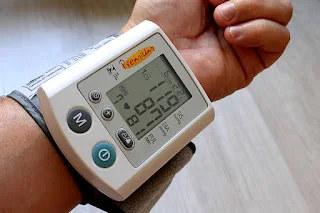
**Monitor Your Blood Pressure at Home and Schedule Regular Checkups:** Measuring your blood pressure at home can help determine if your medications and lifestyle changes are effective. Home blood pressure monitors are widely available without a prescription. Before you begin, consult a healthcare professional about how to use home monitoring effectively. Regular appointments with your healthcare provider are also essential for managing your blood pressure. If your blood pressure is well-controlled, ask your healthcare professional how often you should check it. You may only need to check it once a day or less frequently.
**Manage Your Cholesterol and Blood Sugar**: High blood sugar and elevated levels of "bad" non-HDL cholesterol increase the risk of heart disease. To help control cholesterol and blood sugar levels, adopt healthy habits that lower blood pressure. Focus on eating nutritious foods, exercising regularly, losing weight, and avoiding tobacco. Always follow your healthcare professional's guidance on managing cholesterol and blood sugar levels.
Making these lifestyle changes is a long-term commitment, and some days may feel particularly challenging. Don't hesitate to seek support from family and friends when needed. They can encourage you to prioritize your health, accompany you to healthcare appointments, or join an exercise program to help maintain low blood pressure. Consider joining a support group if you need additional support beyond your immediate circle. Connecting with others in similar situations can uplift your spirits and boost your confidence. These groups can also provide practical tips for coping with your condition.
**Ways to Lower Your Risk of Hypertension:** If you have risk factors for Hypertension, you can take proactive steps to reduce your risk of developing the condition and its complications. Consider the following: 1. Eat four servings of fruit and five servings of vegetables daily. Limit your intake of refined sugars. 3. Reduce your daily sodium intake to between 1.5 and 2.3 grams. 4. Set weight loss goals if you are overweight or obese. 5. Monitor your blood pressure regularly. | 



.png)

Comments
Post a Comment
Thank you, most welcome, 👍