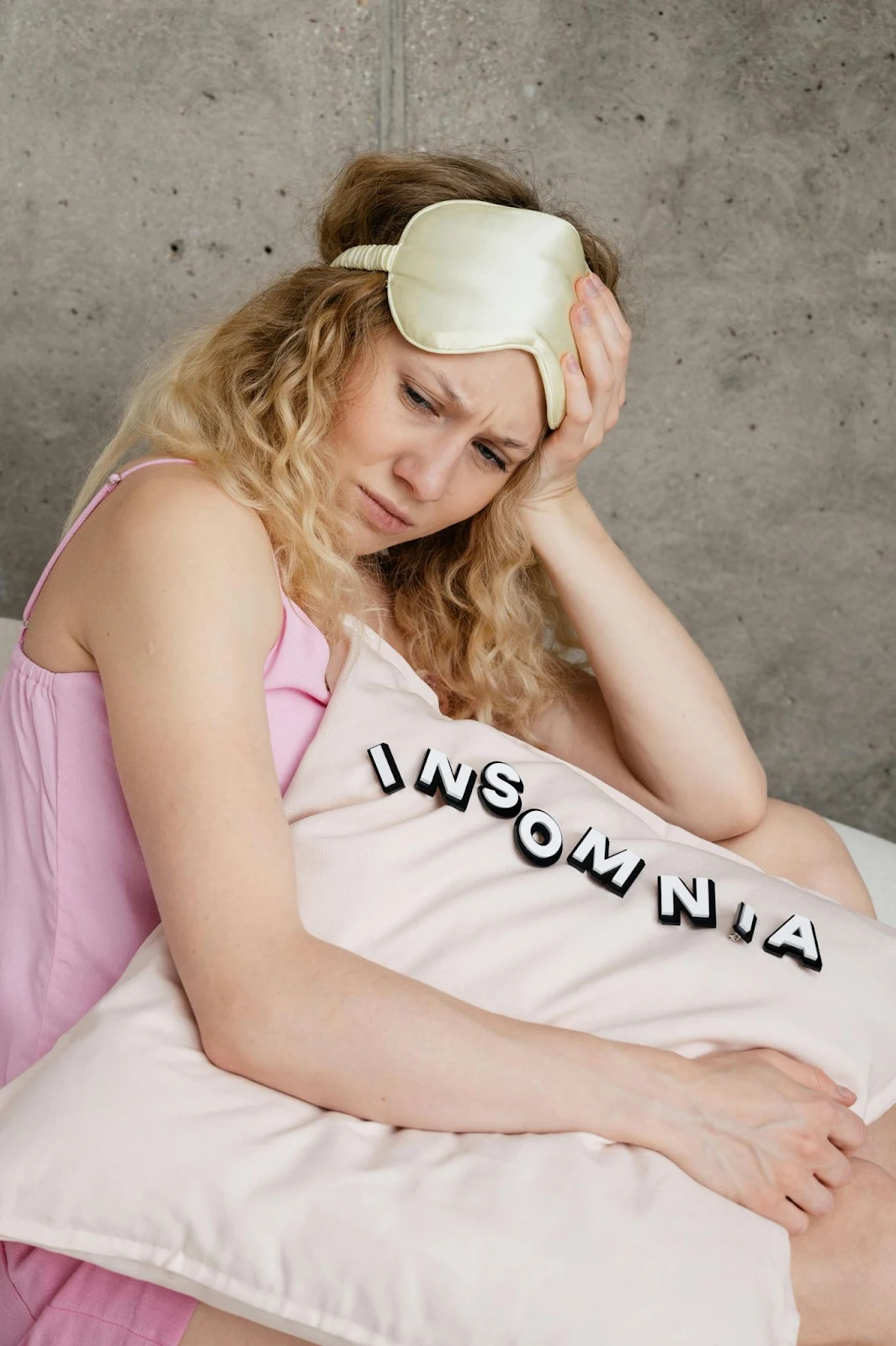
Common sleep disorders: Sleep disorders impact individuals in various ways, from difficulty falling asleep to waking up feeling fatigued even after a whole night's rest. Here are the most common types. **Insomnia:** Insomnia is a common sleep disorder characterized by difficulty falling or staying asleep, or waking up too early. It can be short-term (due to stress, travel, or illness) or chronic, lasting for weeks or longer. Insomnia affects concentration, mood, and energy levels, often leading to daytime sleepiness and functional difficulties. Chronic insomnia is diagnosed when symptoms occur at least three times a week for three months. It is more prevalent in older adults, those with lower socioeconomic status, and individuals with anxiety or depression. Treatment options include therapy, sleep aids, and various strategies to alleviate symptoms. **Sleep Apnea:** Sleep apnea is a condition where breathing repeatedly stops and starts during sleep, often leading to excessive daytime tiredness and poor concentration. The most common type is obstructive sleep apnea, which is caused by a blocked airway, while central sleep apnea is related to abnormalities in brain signaling. People with sleep apnea may snore heavily, wake up gasping for air, and experience daytime sleepiness, fatigue, morning headaches, and a dry mouth. Treatment options include CPAP therapy, oral appliances, lifestyle changes, and, in some cases, surgery. Narcolepsy: It is a sleep disorder characterized by sudden and uncontrollable sleep attacks during the day, even with adequate nighttime rest. It affects about 1 in 2,000 people in the U.S. Sleep attacks can last a few minutes and may be accompanied by cataplexy, a sudden loss of muscle tone. Those with narcolepsy face a higher risk of accidents, but treatment options, including medication and lifestyle changes, can help manage symptoms. **Restless Leg Syndrome (RLS):** RLS is characterized by a strong urge to move the legs, particularly at night, which makes it difficult to sleep. Individuals may experience tingling or crawling sensations that worsen when they sit or lie down. While RLS can be linked to pregnancy, Parkinson's disease, and iron deficiency, its exact cause is often unknown. Approximately 15% of people experience RLS, but only 2-3% experience significant symptoms. Factors like caffeine and certain medications can exacerbate symptoms. Treatment options include maintaining healthy sleep habits, making dietary changes, engaging in regular exercise, using medical devices, and taking drugs. Parasomnias: They are abnormal sleep behaviors such as sleepwalking, sleep talking, and night terrors. They can occur before sleep, during sleep, or when transitioning to wakefulness, and are most common in children, affecting up to 20% of them. Adults can also experience these behaviors, which include bedwetting and conditions like exploding head syndrome. Parasomnias are categorized based on their occurrence during the sleep cycle, and management focuses on ensuring safety and promoting healthy sleep patterns. **Excessive Sleepiness:** Feeling sleepy after a night of lost sleep is a normal reaction. However, excessive daytime sleepiness (EDS) is a medical term that refers to extreme grogginess that occurs almost every day for at least three months. EDS can make it difficult or even impossible to stay awake during the day. Various medical and psychological conditions can lead to EDS, including sleep apnea, narcolepsy, Hypothyroidism, chronic pain, depression, and anxiety. It is estimated that up to 25% of the population experiences EDS. It's important to note that EDS is not a sleep disorder itself; rather, it is a symptom of various sleep disorders and other health issues. To identify the underlying cause of EDS, a doctor may recommend a sleep study or other tests.
**Shift Work Disorder:** Shift work disorder affects individuals required to work late at night or early in the morning, leading to sleep disturbances and disrupted circadian rhythms. Approximately one-third of shift workers meet the diagnostic criteria for this disorder, typically obtaining 90 minutes less sleep than their day-working counterparts. Treatment focuses on enhancing alertness during work hours and improving sleep quality. **Non-24-Hour Sleep-Wake Disorder:** Unlike most adults, individuals with non-24-hour sleep-wake disorder have circadian rhythms that last either longer or shorter than 24 hours, causing shifts in sleep and wake times. This disorder primarily affects individuals who are blind and leads to cycles of sleeping during both day and night. **Circadian Rhythm Disorders:** These disorders occur when the internal clock becomes misaligned with the natural day-night cycle, leading to irregular sleep patterns and poor-quality rest. Common types include: 1. **Delayed Sleep Phase Disorder** - Late sleep onset. 2. **Shift Work Disorder** - Associated with non-standard work hours. 3. **Jet Lag Disorder** - Disruptions after long-distance travel. Understanding these disorders can aid in seeking effective treatment.
| 



.png)

Comments
Post a Comment
Thank you, most welcome, 👍